Did you know that every piece of marble carries millions of years of history?
Not just a surface… but a geological story created by heat, pressure and time. 💎
Here’s a quick, fascinating breakdown for anyone who loves interior design, architecture or natural materials:
🪨
How Marble Forms
Marble starts as limestone.
Over millions of years, intense heat + pressure inside the earth transform it into marble.
That’s how Calacatta, Carrara and Viola marbles get their dramatic veins — they’re literally the result of tectonic movement.
🪨
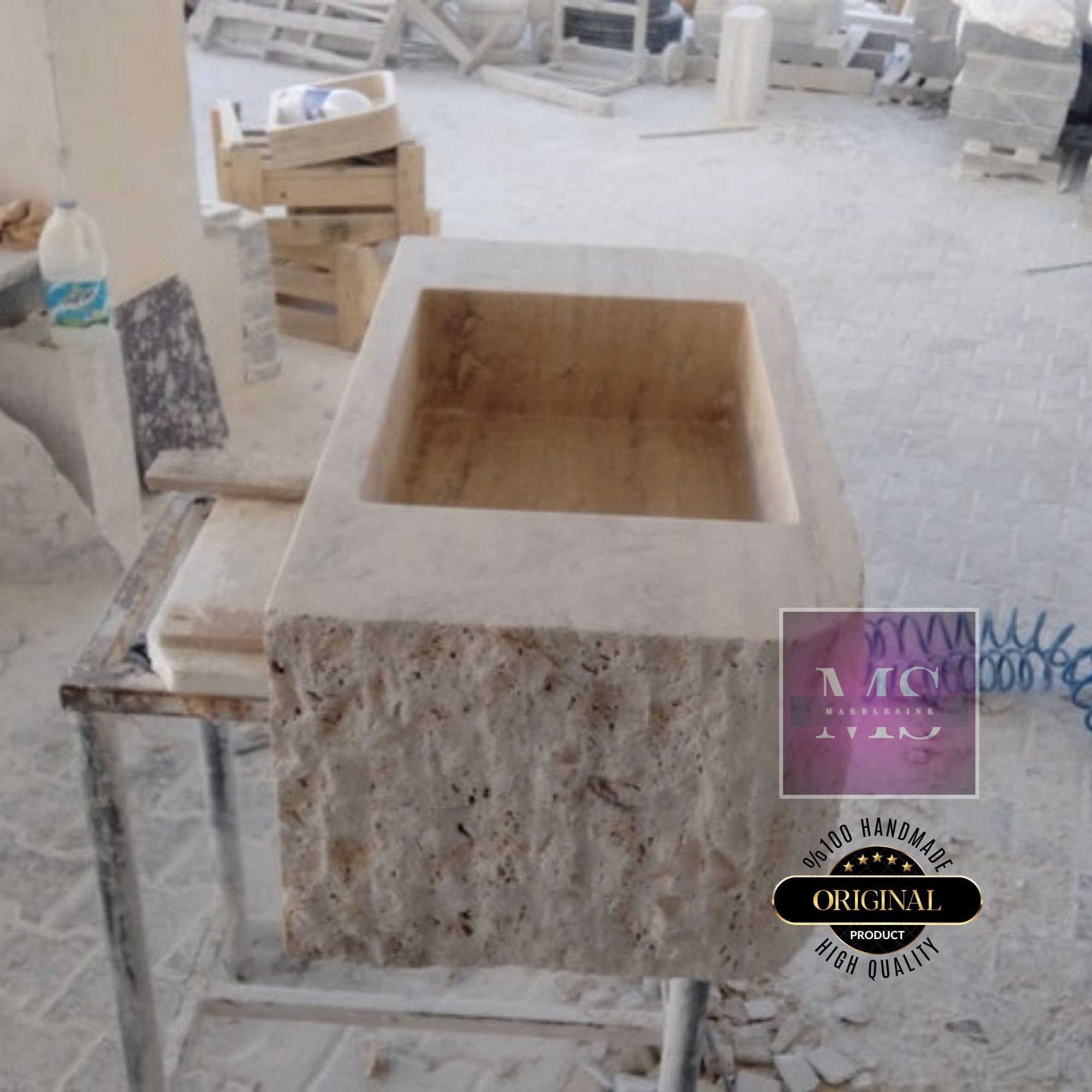
How Travertine Forms
Travertine grows near hot springs.
Water flows, minerals build up, layer by layer…
That’s why it has natural holes and a soft, organic texture.
🪨
How Granite Forms
Granite forms deep underground when magma cools extremely slowly.
The slow cooling allows crystals to grow, making granite incredibly strong.
🪨
Why Colors & Veins Differ
Different minerals create different looks:
• iron → gold/brown tones
• graphite → grey/black
• copper → green
• clay → beige/cream
Every stone block is unique because nature is unique.
✨
Why Designers Love Natural Stone
Because no engineered material can replace:
✔ real geological depth
✔ natural movement
✔ unique veining
✔ timeless luxury
✔ emotional texture
When you place a real marble piece in your home, you’re literally placing a piece of the Earth’s history.
If you’d like, I can prepare a guide explaining the difference between:
• honed
• polished
• leathered
• brushed
stone finishes.
Just comment “Guide” below and I’ll send it! 🔽💬



No comments:
Post a Comment